Heidelberg 1693: Musket-and-Gore 2D Action on Play Station 5
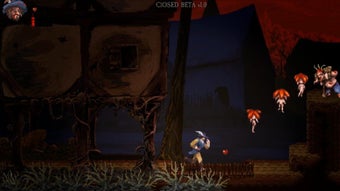
Heidelberg 1693, from Andrade Games on Play Station 5, is a 2D action-platformer that places a French musketeer into a gothic, alternate-history siege of Heidelberg. The game focuses on precision platforming and tactical combat, asking players to manage powerful ranged shots alongside close melee engagement. Key elements include branching paths, more than twenty levels, grotesque boss fights, and 16-bit inspired pixel art. It targets fans of retro-hard platformers who prefer pattern learning and high-stakes challenges.
What kind of game is Heidelberg?
In this game, the player moves through linear stages that reward exact timing and memorization. It adopts an arcade-style, high-difficulty approach with more than twenty levels and branching routes that change endings. The structure emphasizes repeated short runs for mastery, rather than open exploration. Stage design pairs compact platform sections with enemy patterns that encourage studying movement rhythms and enemy telegraphs.
How does combat and pacing shape player decisions?
Here, combat forces careful trade-offs between long-delay ranged attacks and agile close-range work. The ranged weapon requires a deliberate reload sequence that creates windows of vulnerability, while the short-range blade offers mobility and defensive options. Boss encounters stage grotesque, imaginative designs that demand pattern recognition and positioning, so encounters reward timing and situational decision-making over button-mashing.
What does the game look and feel like?
Within its stages, visuals lean on detailed 16-bit pixel art and animated cutscenes styled after silent-era films, giving a period, cinematic mood. Creature art emphasizes gore and decay, supporting a somber, violent atmosphere. Critics and players highlight atmospheric world-building, and the presentation channels retro hardware aesthetic rather than modern realism, which suits the title's historical, alternate-history tone.
Is it hard to get started, and what drives replay?
In early attempts, newcomers meet a steep learning curve and deliberate pacing that emphasize pattern mastery. The design rewards persistence: repeated runs reveal enemy timing, and branching paths plus multiple endings provide reasons to return. However, that same sharpening of skill may be polarizing for casual players who prefer gentler onboarding and shorter learning ramps.
Who should pick Heidelberg and what to expect
Heidelberg is a demanding choice for players who enjoy exacting, pattern-driven platforming and cinematic retro visuals; it rewards patience and study. However, its deliberate tempo and high barrier to mastery reduce its appeal for casual weekend sessions. For fans of hard arcade-style platformers seeking a focused, atmospheric challenge, it is worth trying as a concentrated play experience.